

Physical AI & Robotics
Industrial robot costs: budgeting a complete deployment
Build an industrial robot or cobot budget covering tooling, integration, commissioning and lifecycle costs, then test benefits against accepted production output.
Research area
Evaluate physical AI and robotics through deployment costs, component supply, autonomous services, company financing and evidence of reliable operation.
Sign up for the free newsletter
Physical AI Finance Monitor
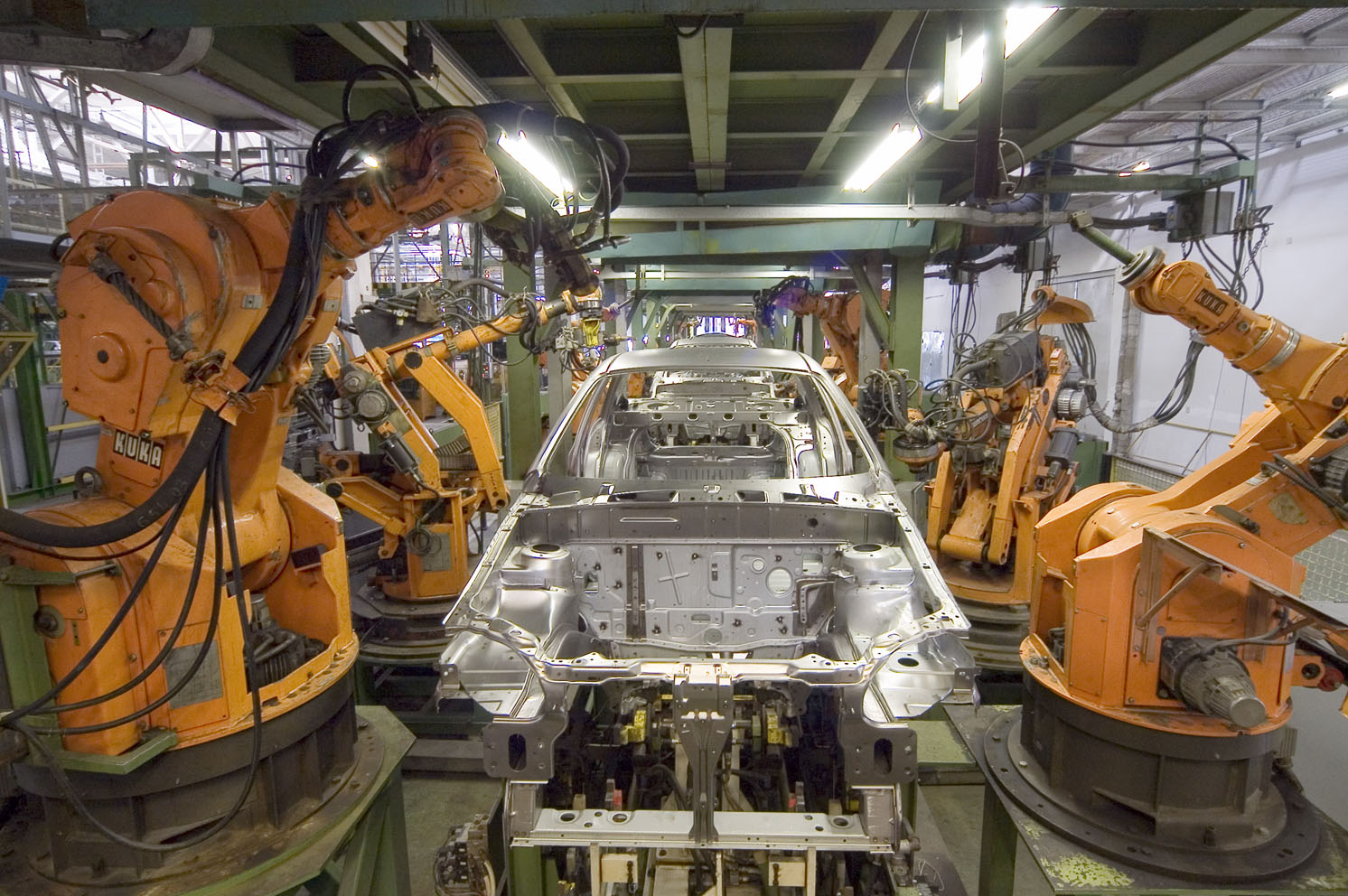
A robotics investment connects a machine to a working process. The relevant output is the work accepted by the customer or the next production stage, including the effect of exceptions, manual intervention and downtime. Purchase price and a successful demonstration provide only part of the evidence required to evaluate that process.
The economics depend on the application boundary. Integration, layout changes, software, supporting equipment and service obligations can affect both the initial commitment and continuing expenditure. Labour time released by a robot also needs an explanation of how the business will use it before it can be treated as a financial benefit.
Supply-chain decisions require a similarly specific assessment. Nominal capacity at a component manufacturer does not establish qualified output for a particular robot joint. Specifications, duty cycle, manufacturing consistency, acceptance procedures and support determine whether a component can serve the customer's requirement.
The guides apply these distinctions to manufacturing, warehouses, autonomous transport, drones and clinical services. They examine component suppliers and company finance alongside software validation, computing costs and regulatory responsibilities. Physical AI Finance Monitor follows the connection between technical capability, industrial adoption, capital and the businesses that supply it.
Continuing coverage from Physical AI Finance Monitor.
Physical AI & Robotics
Build an industrial robot or cobot budget covering tooling, integration, commissioning and lifecycle costs, then test benefits against accepted production output.
Manufacturing and logistics economics
Calculate AMR labour savings, fleet costs and payback using accepted deliveries, realistic staffing changes and explicit downtime assumptions.
Manufacturing and logistics economics
Evaluate warehouse automation backlog through billing milestones, customer advances, contract assets and acceptance before treating orders as cash.
Manufacturing and logistics economics
Compare robot loans, leases and service contracts through utilisation, acceptance, maintenance, minimum payments and residual-value obligations.
Manufacturing and logistics economics
Assess multi-vendor warehouse robot orchestration through reusable interfaces, commissioning time, exception handling and support costs across sites.
Manufacturing and logistics economics
Assess robotic solar piling through accepted foundations, crew hours, rework and critical-path changes before valuing earlier electricity revenue.
Companies, components and capital
Assess robot reducer suppliers through application loads, assembly, production evidence and change control before treating capacity as usable supply.
Companies, components and capital
Map physical AI exposure across models, compute, sensors, motion systems, integrators and operators using revenue evidence and deployment economics.
Companies, components and capital
Compare robotics ETF exposure using common-date holdings, company revenue evidence, portfolio overlap and fund rules rather than thematic labels.
Companies, components and capital
Assess outsourced lidar manufacturing through inventory, purchase commitments, qualified output, customer releases and warranty exposure after shipment.
Companies, components and capital
Analyse humanoid spinout funding through cash received, related parties, dilution, control, contingent rights and the assets needed for independent operation.
Validation, computing and compliance
Prepare connected-robot incident reporting with the CRA timetable, product configuration records, supplier escalation and customer notification responsibilities.
Validation, computing and compliance
Assess AI robot production readiness through accepted output, interventions, recovery, operating conditions and controlled changes beyond benchmark scores.
Validation, computing and compliance
Validate automated robot success labels with physical acceptance evidence, task-level errors, blinded audits and checks after policy or sensor changes.
Validation, computing and compliance
Evaluate robot world models through action fidelity, paired physical tests, policy ranking and the total cost of decisions made with simulated evidence.
Validation, computing and compliance
Compare human motion capture with robot data through transferable skills, retargeting effort, commercial rights and physical validation costs.
Validation, computing and compliance
Qualify robot edge AI processors through complete workloads, latency, power, thermal limits, software effort and long-term component support.
Autonomous and clinical services
Evaluate robotic phlebotomy through eligible arrivals, accepted specimens, supervisor workload, manual fallback and complete collection-area costs.
Autonomous and clinical services
Evaluate robotaxi economics with paid trips, occupied and empty mileage, active vehicles, remote assistance and local fleet costs for each city.
Autonomous and clinical services
Assess BVLOS drone services through usable missions, remote-supervision demand, weather availability, data interpretation and site-level fixed costs.
Autonomous and clinical services
Compare surgical robot platforms using authorised procedures, mature-system utilisation, theatre capacity, instruments, training and service costs.
Robotics applications & suppliers
Understand physical AI through industrial applications, the suppliers behind them and the operating evidence needed to turn robot capability into useful output.
Robotics applications & suppliers
A dated guide to six humanoid robot manufacturers, their products and deployment evidence, with practical questions for industrial procurement and pilot design.
Robotics applications & suppliers
Budget robotic palletising around boxes, patterns, conveyors, safeguarding and pallet exchange, with a worked payback example and clear quotation requirements.
Robotics applications & suppliers
Assess CNC machine tending costs through workholding, machine interfaces, part presentation, tool life and inspection, then value credible unattended output.
Robotics applications & suppliers
Explore six robot gripper suppliers and define requirements for parts, gripping methods, interfaces, wear and acceptance before commissioning an industrial cell.
Robotics applications & suppliers
Discover six robot vision suppliers and scope cameras, calibration, software and integration around accepted picks, difficult objects and exception handling.
Robotics applications & suppliers
Build a robotic welding budget around fixtures, part consistency, programming, fume control and accepted weldments, with a practical project evaluation framework.
Robotics applications & suppliers
Plan industrial robot maintenance through asset-specific tasks, service contracts, spares, recovery time and the production cost of interrupted accepted output.
Company profile · Denmark
Universal Robots connects collaborative robot arms, industrial software and training tools, making it a platform to watch as physical AI reaches factories.
Sign up for the free newsletterTechnology reference · Global
How touch sensors reveal contact, slip and object position, and what is required for reliable industrial manipulation.
Sign up for the free newsletterProgramme reference · Europe
Explore the EIC Accelerator application stages, grant and investment routes, and the next published 2026 full-proposal batching date.
2026 programme open; staged application and eligibility requirements apply.
Sign up for the free newsletterPractical calculator · Global
Estimate automation cash benefits, simple payback and return over a chosen period, with explicit treatment of labour savings and operating costs.
Sign up for the free newsletterEmail newsletter
Follow robotics, physical AI, component suppliers and deployment economics.