
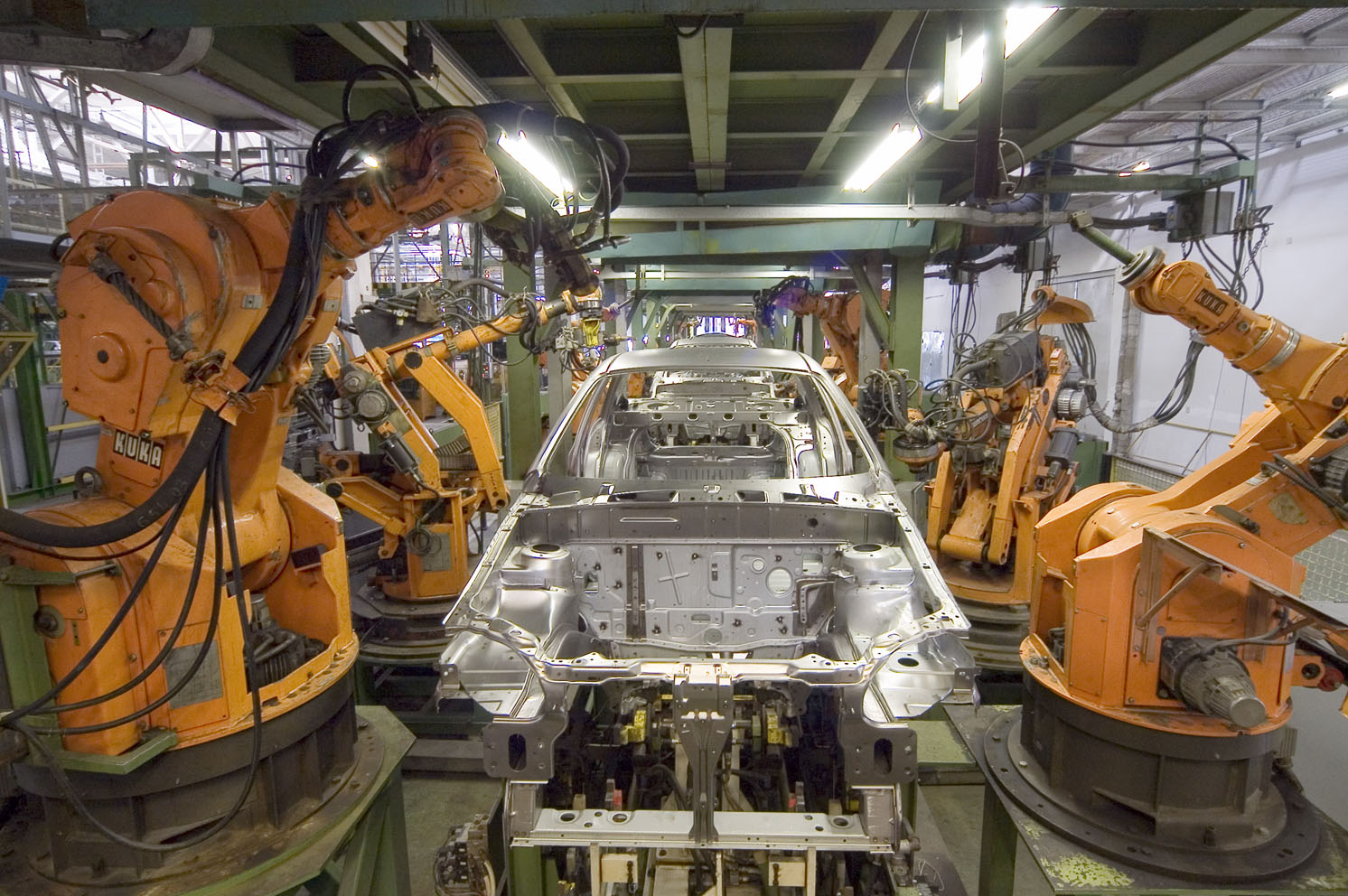

Physical AI Finance Monitor follows the industrial systems that allow artificial intelligence to perceive and act in the physical world. Its coverage connects robots and autonomous machines with the sensors, actuators, chips, software, simulation tools and supporting infrastructure on which their performance depends.
An application becomes commercially relevant through more than a successful demonstration. Integration, qualified components, operating conditions, maintenance and customer economics determine whether a system can move from a pilot into repeated use. The research connects these deployment requirements with the businesses supplying them.
Capital and industrial structure form a second part of that assessment. Funding, acquisitions, partnerships, public programmes and supply-chain concentration help explain which capabilities are being built, where dependencies arise and how value may be distributed between component suppliers, system developers, integrators and customers.
Coverage includes company profiles, technology and supply-chain analysis, regulation, research-to-industry assessments and sector adoption. It is relevant to investors, industrial businesses, technology providers, innovation teams, research organisations and public institutions examining the development of robotics and intelligent physical systems.
Continuing research follows how announcements develop into financing, production and deployment activity, connecting individual companies with the wider industrial system. Sign up to the Physical AI Finance Monitor newsletter to follow this research. The publication sets out its available subscription options and access terms.
Coverage and access
Connect robot performance with the integration and operating conditions required for useful deployment.
Understand the companies, components and suppliers behind an intelligent physical system.
Follow the relationship between capital, regulation, industrial capacity and adoption.